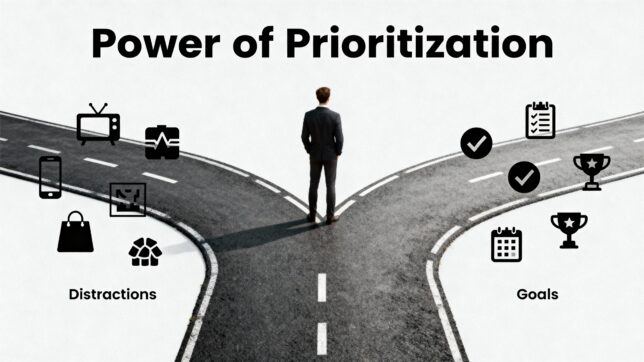
In a world full of distractions and competing demands, mastering the art of prioritization has never been more crucial. We find ourselves juggling multiple responsibilities, from professional commitments to personal aspirations, often feeling overwhelmed by it all. The key to navigating this complexity lies in understanding what truly deserves our attention. By honing our prioritization skills, we can transform chaos into clarity, elevate our productivity, and ultimately lead more fulfilling lives.
As we dive deeper into the concept of prioritization, we’ll explore its significance, not only in our personal lives but also in critical areas like cybersecurity. We will uncover effective strategies to help us focus on what matters most, and examine the challenges we face along the way. Let’s embark on this journey together and discover how we can become more intentional about our time and efforts.
Table of Contents
ToggleUnderstanding Prioritization
Prioritization is more than just a buzzword; it’s a vital skill that allows us to evaluate tasks based on their urgency and importance. In essence, it helps us direct our energy toward activities that yield the highest value or pose the most significant risks. With nearly half of employees feeling overworked or stressed, as highlighted in recent research, the need for a structured approach to prioritization has never been more pressing.
Understanding prioritization begins with recognizing that not all tasks are created equal. Some require immediate attention and are critical for short-term success, while others contribute significantly to our long-term goals. By discerning these differences, we can allocate our time and resources more effectively, resulting in enhanced productivity and reduced stress.
As we navigate our responsibilities—both at work and in our personal lives—let’s consider how we can apply these insights to make informed decisions about what demands our focus. By prioritizing wisely, we lay the foundation for a more structured and intentional approach to our daily tasks. The journey to mastering prioritization starts with understanding its core principles, and from here, we can explore practical frameworks and strategies to implement in our lives.
The Eisenhower Matrix: A Framework for Task Management
The Eisenhower Matrix: A Framework for Task Management
One of the most powerful tools we can use to enhance our prioritization skills is the Eisenhower Matrix. Named after the 34th President of the United States, Dwight D. Eisenhower, this framework categorizes our tasks into four quadrants based on their urgency and importance. By visually mapping out our responsibilities, we gain clarity on where to direct our efforts. This not only helps us manage our time better but also empowers us to make informed decisions about what truly deserves our attention.
In the first quadrant, we find tasks that are both urgent and important. These are the activities that demand immediate action, such as project deadlines and emergency situations. By tackling these tasks first, we address the most pressing needs, preventing crises from escalating. However, this quadrant can easily become overwhelming, especially if we allow too many tasks to accumulate here. Therefore, it’s crucial to manage these responsibilities efficiently and not let them dominate our schedules.
The second quadrant includes tasks that are important but not urgent. This is where we can cultivate our long-term goals and aspirations. Activities such as strategic planning, skill development, and relationship building fall into this category. By prioritizing these tasks, we invest in our future while reducing the likelihood of last-minute stress. Allocating time for this quadrant helps us move towards our larger objectives, ultimately leading to a more balanced and fulfilling life.
Quadrants three and four present different challenges. Tasks that are urgent but not important often distract us from our core goals. These can include unnecessary meetings or trivial emails. Learning to delegate or eliminate these distractions allows us to focus on what matters. Lastly, the fourth quadrant is comprised of tasks that are neither urgent nor important—essentially time-wasters. Recognizing these activities is key to reclaiming our time and ensuring that we spend it on more meaningful pursuits. By utilizing the Eisenhower Matrix, we can navigate our responsibilities with purpose and clarity, making prioritization an attainable and rewarding process.
The Importance of Prioritization in Cybersecurity
In today’s digital landscape, prioritization plays a pivotal role in cybersecurity. Organizations are bombarded with a constant stream of alerts and potential vulnerabilities, making it essential for security teams to focus their efforts strategically. Without a robust prioritization strategy, the risk of overlooking critical threats increases significantly. As we delve into this vital area, it’s crucial to understand the specific challenges and the transformative impact effective prioritization can have on security outcomes.
One of the main hurdles cybersecurity teams face is the overwhelming volume of alerts. When every vulnerability is treated as urgent, it can lead to what is known as alert fatigue. This phenomenon can cause security analysts to overlook significant risks as they become desensitized to the constant barrage of notifications. Prioritizing tasks based on actual risk and urgency is essential to combat this issue. Here are some key benefits of implementing prioritization in cybersecurity:
-
Reduced Time-to-Patch: Concentrating on high-risk vulnerabilities allows organizations to significantly shorten their exposure time to potential threats.
-
Improved Detection and Response: Effective prioritization leads to enhanced metrics like Mean Time to Detect (MTTD) and Mean Time to Respond (MTTR), ensuring quicker containment of threats.
-
Enhanced Analyst Effectiveness: By decreasing alert fatigue, analysts can focus their efforts on critical issues, improving overall security posture and responsiveness.
Furthermore, adopting a risk-based security framework enables organizations to allocate resources more efficiently. This strategic approach considers factors such as threat likelihood and potential impact on crucial assets. By systematically measuring risk, teams can direct their attention to the most significant vulnerabilities, ensuring that their efforts yield the greatest security benefits. In a world where cyber threats are constantly evolving, mastering prioritization isn’t just advantageous—it’s essential for safeguarding our digital assets and maintaining trust in our systems.
Strategies for Effective Personal Prioritization
As we navigate our daily lives, mastering the art of prioritization is essential for achieving our goals and maintaining balance. To help us focus on what truly matters, we can adopt several practical strategies that lend structure to our efforts. Here are some key approaches we can implement to enhance our personal prioritization:
- Set Clear Goals: Having well-defined objectives is crucial. By establishing both short-term and long-term goals, we create a roadmap for our priorities. This clarity helps us align our daily tasks with our broader aspirations, ensuring that we are directing our energy where it matters most.
- Apply the 80/20 Rule (Pareto Principle): We should aim to focus on the 20% of our tasks that yield 80% of the results. Identifying high-impact activities allows us to prioritize effectively, ensuring that our efforts lead to substantial outcomes rather than getting lost in less important tasks.
- Time Blocking: Allocating specific time slots for various tasks can transform our productivity. By setting aside dedicated periods for high-priority activities, we can minimize distractions and maintain our focus. This method helps us ensure that the essential tasks receive the attention they deserve, rather than being pushed aside by less urgent matters.
- Learn to Say No: Protecting our time is vital in a world filled with competing demands. By learning to decline non-essential tasks that don’t align with our goals, we can reduce overwhelm and enhance our focus. This empowerment to say no helps us dedicate our time to what truly matters, allowing us to remain intentional in our pursuits.
Incorporating these strategies into our daily routines can significantly improve our ability to prioritize. By setting clear goals, focusing on high-impact tasks, blocking out time for important activities, and learning to say no, we can create a more structured approach to our responsibilities. In doing so, we pave the way for enhanced productivity and a more balanced life. Ultimately, these practical methods will empower us to take charge of our time and efforts, enabling us to focus on what truly matters.
Conclusion
In our increasingly busy lives, the ability to prioritize effectively is not just beneficial—it’s essential. As we’ve explored throughout this journey, prioritization empowers us to focus on what truly matters, helping us to cut through the noise and direct our efforts toward meaningful tasks. By understanding the principles of prioritization, leveraging frameworks like the Eisenhower Matrix, and recognizing its importance across various fields, including cybersecurity, we can enhance our productivity and reduce the overwhelm that often accompanies our daily responsibilities.
However, we’ve also acknowledged the challenges that come with prioritization. Distractions, competing demands, and the constant influx of information can make it difficult to maintain clarity. Yet, by employing practical strategies and remaining mindful of our goals, we can navigate these challenges more effectively.
As we move forward, let’s commit to being intentional about how we allocate our time and energy. By prioritizing wisely, we not only improve our own lives but also positively impact those around us. So, let’s embrace the power of prioritization and take control of our paths—one intentional step at a time. Together, we can transform our chaos into clarity and focus on what truly matters.
Right!!!